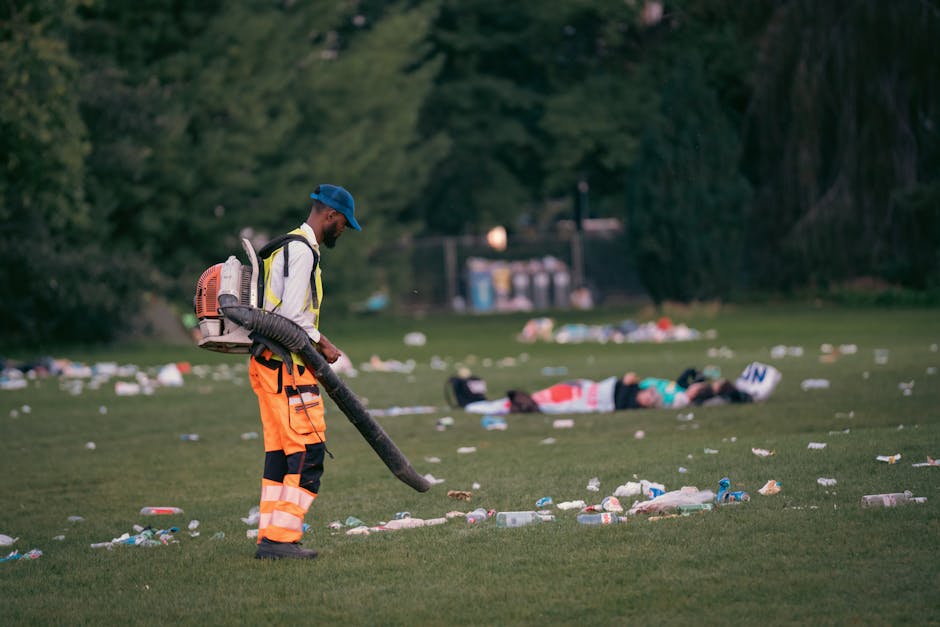
Parsons Green bulky rubbish pickup for Fulham Palace events

Planning an event near Fulham Palace can feel calm on the surface and a bit chaotic underneath. One minute you are arranging seating, signage, or catering; the next you are staring at flattened boxes, broken display boards, tired furniture, and a pile of mixed bulky waste that somehow appeared from nowhere. That is where Parsons Green bulky rubbish pickup for Fulham Palace events becomes genuinely useful. It is not just about making things look tidy. It is about keeping access clear, reducing stress for organisers, and getting the site back to normal without that last-minute scramble. In this guide, we will walk through what the service involves, how it works in practice, who it suits, and the common mistakes that trip people up.
If you are dealing with event waste after a fundraiser, market, community day, wedding reception, filming set-up, or temporary installation, the right pickup plan saves time and awkwardness. Let's face it, nobody wants to be the person still wheeling a sagging trolley of broken chairs across the car park while everyone else is heading home.
Quick takeaway: a well-planned bulky rubbish pickup is less about "taking rubbish away" and more about protecting the event schedule, access routes, and the reputation of the organiser.
- Why it matters
- How it works
- Key benefits
- Who needs this service
- Step-by-step guidance
- Expert tips
- Common mistakes to avoid
- Tools, resources and recommendations
- Law, compliance and best practice
- Options and comparison
- Real-world example
- Practical checklist
- Frequently asked questions
Why Parsons Green bulky rubbish pickup for Fulham Palace events Matters
Events around Fulham Palace tend to have one thing in common: they are time-sensitive. You often have a narrow set-up window, limited parking, and a hard stop when the venue needs to return to normal. Bulky waste can get in the way fast. Chairs, pallets, staging offcuts, exhibition boards, damaged decor, old stock, and oversize packaging all take up space and create a safety issue if they are left lying around.
For local organisers, a bulky rubbish pickup is not a luxury. It is part of the event plan. If waste is left for the next morning, it can block loading areas, upset neighbours, or cause avoidable delays. A tidy clear-down also matters for the venue team. The site has to be safe for staff, visitors, and anyone doing late finishes in low light, which is when a stray metal frame on the ground suddenly becomes a real problem.
There is also the image side of it. People notice the final five minutes of an event. If the venue looks cared for as everything is packed away, that reflects well on the organiser. If not, well... it tends to linger in people's memory a bit longer than the speeches.
For events that generate mixed waste, it is useful to think beyond simple collection. Bulky clearance often needs sorting, lifting, loading, and sometimes separate handling for recyclable items or reusable furniture. That is why services such as waste removal and business waste removal are often part of the wider conversation, especially when the event has commercial or ticketed elements.
How Parsons Green bulky rubbish pickup for Fulham Palace events Works
In practical terms, the process is straightforward, but the details matter. A bulky pickup usually starts with a rough assessment of what needs to go, where it is located, and how easy it will be to move. At an event site, that might include service corridors, garden paths, temporary barriers, steps, or tight access points. The more precise the plan, the smoother the pickup.
Most organisers begin with a list of items and a timing window. That allows the collection team to decide what equipment and vehicle space are required. For example, a small event with a few broken tables is a very different job from a post-event clearance with furniture, packaging, and dismantled display materials.
There is usually a strong link between bulky pickup and other services too. A venue-based event may produce furniture surplus, leftover stock, or even bits of light builders-style debris from temporary installations. If that sounds familiar, it may overlap with furniture disposal, furniture clearance, or even builders waste clearance if the event involved more substantial set-up materials.
A typical workflow looks like this:
- Identify all bulky items and estimate volume.
- Separate reusable items from waste where possible.
- Check access routes and loading points.
- Book a suitable collection window.
- Move items to a designated collection area, if required.
- Load, remove, and sort for reuse, recycling, or disposal.
- Confirm the site is left clear and safe.
The collection itself should be efficient, but not rushed. That sounds obvious, yet rushed clearances are exactly where damage, missed items, and awkward follow-up work happen. A good organiser will build in a small buffer. Not huge. Just enough to avoid the "we thought someone else had moved it" problem.
Key Benefits and Practical Advantages
The biggest benefit is simple: less pressure on the day. But there are a few more specific advantages worth noting, especially for events with a lot of foot traffic or narrow turnaround times.
- Clearer access: Hallways, gates, paths, and loading areas stay open.
- Fewer safety issues: No loose furniture, nails, broken pallets, or trip hazards hanging around.
- Faster venue reset: The site can be returned to normal more quickly after the event ends.
- Better sorting: Reusable or recyclable items can be separated rather than mixed in with general waste.
- Less staff fatigue: Your team does not have to drag awkward items around after a long day.
- Cleaner reputation: A tidy finish helps the event feel professionally run.
There is also a practical cost angle. If bulky rubbish is left until the end of a busy event, it often becomes harder to remove. Items get wet, stuck, stacked badly, or placed in the wrong area. A planned pickup can reduce wasted time and avoid extra handling. That does not mean every job is cheap, but it does mean the work is usually more controllable.
For organisers comparing options, reviewing pricing and quotes before the event can help avoid surprises. And if the waste is likely to include reusable items, think carefully about whether some of it should go to recycling and sustainability rather than straight disposal. That small decision can make the whole process feel a bit more responsible, and honestly, more professional too.
Who This Is For and When It Makes Sense
This kind of pickup is useful for a wide mix of people. You do not have to be running a huge festival to need it. In many cases, the service makes most sense for organisers who are managing one-off bulky items in a time-limited setting.
It is a strong fit for:
- event organisers handling temporary set-ups and take-downs
- venue managers coordinating post-event clear-downs
- community groups running fairs, markets, or charity days
- private hosts dealing with borrowed or hired furniture after an event
- caterers and suppliers left with packaging, crates, or disposable equipment
- production teams clearing light event infrastructure
It may also be relevant where event overflow spills into related waste types. For example, a marquee-based function can create mixed waste that includes damaged furniture, garden-style waste from temporary landscaping, or loft-style storage items brought in for staging. In those cases, related services such as garden clearance, loft clearance, or home clearance may be relevant depending on what the event actually involves.
When does it make sense to book? Usually when the site has bulky items that cannot be safely moved with ordinary bins, and when the organiser needs a reliable handover. If the waste is only a couple of small boxes, you probably do not need a dedicated pickup. If you are looking at stacked chairs, broken furniture, display units, or a mixed load that would fill a van, then yes, it starts to make sense very quickly.
Step-by-Step Guidance
If you want the pickup to go smoothly, the best thing is to plan it in layers. The good news is that this does not need to be complicated. A few sensible decisions early on can save a lot of faff later.
1) Walk the site with a realistic eye
Look at the route from storage or event area to the collection point. Watch for stairs, narrow gates, wet grass, low lighting, and anything that could get in the way during removal. Sometimes the problem is not the waste itself. It is the route to it.
2) Separate items by type
Put reusable items, recyclable items, and true waste into different groups where practical. This makes the load easier to handle and may reduce the amount that needs disposal. A simple example: one stack of usable chairs, one pile of broken stock, and one corner for mixed packaging.
3) Decide who moves what
Do not assume everyone understands the plan. Tell staff which items should be left in place, which should be brought to a pickup point, and which are not to be touched. A two-minute briefing can prevent a lot of back-and-forth.
4) Confirm timing around the event schedule
The best pickup slot is usually after public access ends but before site traffic becomes messy. If it is an early-morning clear-out, make sure the access route is still open. If it is an evening job, check lighting and venue restrictions. Small detail, big difference.
5) Use the right service for the waste type
Bulky rubbish is not always just bulky rubbish. If there is mixed office-style debris, a clearance linked to office clearance may be more suitable. If the event created durable household-style items, house clearance or flat clearance may better reflect the load. The point is to match the service to the reality on site, not just the label.
6) Leave a final sweep
After the bulky items are gone, do one more check for fixings, cables, tape, packaging, or forgotten smaller items. This is the bit people skip when they are tired. And yet it often catches the stuff that causes the next problem.
Expert Tips for Better Results
Here is the honest version: most event clear-ups go fine when the organiser has thought about the final 10 percent. That last bit of planning is where the time savings really come from.
- Label collection zones early: Use signs or tape so staff know where bulky items should be placed.
- Keep pathways dry and visible: In damp weather, path surfaces and entrance points become slippery and awkward quickly.
- Do not mix sharp and soft waste: Broken frames, glass, and splintered wood should be handled with extra care.
- Think in vehicle-sized loads: If an item or pile is too awkward to move in one go, split it safely.
- Ask for a disposal plan: If you want recyclables separated, say so before the pickup day, not after.
A small but useful trick is to stage bulky waste near the exit point gradually, rather than all at once in a crowded corner. It keeps the site calmer. Less of that "where did all this come from?" feeling. You know the one.
Another point: if the event is tied to a property clear-out, use the opportunity to tidy related spaces at the same time. A site that also needs garage clearance or house clearance is often cheaper and easier to manage in one coordinated visit than in several smaller ones. Not always, but often enough to be worth checking.
Common Mistakes to Avoid
Most problems are avoidable. The tricky part is that they tend to look minor until the pickup day arrives.
- Leaving identification until the last minute: If nobody knows which items are going, confusion is guaranteed.
- Underestimating volume: Bulky rubbish takes up more space than expected, especially when items are irregular or stacked badly.
- Ignoring access: A job can be perfectly clear in theory and still fail because the van cannot reach the load safely.
- Mixing everything together: Reusable goods, recyclable materials, and waste should not all be dumped in one pile unless that is genuinely the plan.
- Forgetting venue rules: Some sites have strict collection windows, parking limits, or loading restrictions.
- Skipping the final sweep: Small items, cables, and fixings can be left behind easily.
One of the more common slip-ups, truth be told, is assuming event staff will tidy the clearance area as part of their normal clean-down. Sometimes they will. Sometimes they will absolutely not. Make the handover clear. It avoids resentment and a slightly awkward conversation later.
Tools, Resources and Recommendations
You do not need a huge toolkit, but a few simple items can make a bulky pickup more efficient and safer.
- Heavy-duty gloves: Useful for moving broken or rough-edged items.
- Trolleys or dollies: Helpful when items are heavy but stable.
- Labels or tape: Good for marking what stays, what goes, and what is reusable.
- Head torches or portable lighting: Handy for late finishes or dark corners.
- Protective sheeting: Useful if you need to keep floors or paths clean during staging.
On the planning side, make sure you have the right internal paperwork ready, even if the event itself is informal. A written note of what is being removed, who approved it, and what should remain on site can prevent confusion. If the job includes mixed commercial waste, reviewing business waste removal and office clearance pages can help you align the service with the actual load type and not guess your way through it.
For organisers who care about responsible disposal, it is worth asking how items will be sorted after collection. Reuse where possible. Recycle where appropriate. Dispose carefully where required. That kind of response is much better than pretending all bulky waste is the same thing, because it plainly isn't.
Law, Compliance, Standards, or Best Practice
Event clearance is not only about convenience. In the UK, waste handling is expected to be managed responsibly, and organisers should be careful about how items are stored, moved, and transferred. Without getting bogged down in legal detail, the sensible baseline is simple: use a properly managed waste process, keep the site safe, and make sure waste does not create avoidable risk to people or the environment.
Best practice usually includes the following:
- keeping walkways and exits clear during collection
- avoiding manual handling risks where a trolley or two-person lift is safer
- separating sharps, broken items, and mixed waste where relevant
- making sure the collection plan does not interfere with venue safety procedures
- using a provider that can explain how waste is handled after pickup
Insurance also matters. If you are allowing contractors, staff, or volunteers to move bulky items, it is sensible to know how risk is being controlled. That is where pages like health and safety policy and insurance and safety become useful reading before the job begins.
If a business is commissioning the pickup, it should also think about normal data, site, and payment controls, especially where bookings are made quickly. For background information, the site's payment and security page and terms and conditions are the sensible place to check the basics. No drama, just due diligence.
Options, Methods, or Comparison Table
Not every bulky waste job needs the same approach. Here is a simple comparison to help you think it through.
| Option | Best for | Strengths | Trade-offs |
|---|---|---|---|
| Single bulky pickup | A small number of large items after a focused event | Simple, quick, easy to schedule | Less efficient if waste is spread across several areas |
| Combined event clearance | Events with mixed bulky waste, packaging, and leftover materials | Covers more waste types in one visit | Needs more planning and clearer sorting |
| Furniture-focused removal | Chairs, tables, staging furniture, and similar items | Good for reusable or disposal-heavy loads | May not suit mixed debris without additional planning |
| Broader property clearance | Events linked to house, flat, garage, or loft contents | Useful if the clearance extends beyond the event itself | Can be larger and more complex than expected |
The right method depends on scale, access, and waste mix. For example, a small cultural evening with a few broken displays is not the same job as a large reception where hired furniture, packaging, and stock need to go at the end of the night. One is tidy. The other is a bit of a logistical scrum, if we are honest.
Case Study or Real-World Example
Here is a realistic scenario. A local organiser runs a one-day event near Fulham Palace with temporary tables, lightweight chairs, printed display boards, and catering packaging. By closing time, a few items are damaged, several boards are too large for standard bins, and there is a narrow window before the venue needs to reopen the space the next morning.
Instead of leaving the load for later, the organiser groups the bulky items close to the exit, keeps reusable furniture separate, and arranges a pickup window after public access ends. The clearance team arrives, checks the access route, loads the bulky items, and leaves the remaining walkways free. Because the organiser had labelled the items clearly, there is no confusion over what stays and what goes. Simple, but effective.
The main lesson? A good bulky rubbish pickup is rarely dramatic. It works because the planning is quiet and practical. The event team gets a calmer finish, the venue gets its space back, and nobody is still hunting for missing chair legs at 10:15 p.m. on a chilly evening. That sort of calm is underrated.
Practical Checklist
Use this checklist before booking or carrying out a bulky pickup for an event.
- Confirm the event end time and the preferred clear-down window.
- List every bulky item that needs to go.
- Separate reusable items from waste.
- Check whether the load includes furniture, office-style items, or mixed materials.
- Review access routes, stairs, gates, and loading points.
- Make sure staff know where to place items for collection.
- Prepare gloves, trolleys, labels, and lighting if needed.
- Check safety requirements for sharp, heavy, or awkward items.
- Decide whether recycling or reuse can be built into the process.
- Do a final sweep for cables, fixings, tape, and smaller leftovers.
If you can tick most of those off in advance, the pickup day is usually far less stressful. Not perfect, maybe. But far easier.
Get a free quote today and see how much you can save.
Conclusion
Parsons Green bulky rubbish pickup for Fulham Palace events is really about control, not clutter. When the right plan is in place, bulky waste stops being the thing that slows everything down and becomes just one more part of a well-run event. That is the difference between a rushed finish and a smooth one.
Whether you are dealing with furniture, packaging, temporary fixtures, or mixed event waste, the best results usually come from clear sorting, realistic timing, and a pickup approach that matches the actual site conditions. Keep access simple, think ahead about what can be reused or recycled, and do not leave the final sweep to chance.
If you are preparing for an event near Fulham Palace, a little organisation now will save a lot of awkward lifting later. And that, in the end, is what people remember: the event that looked easy, even though we both know it took a bit of work behind the scenes.
Frequently Asked Questions
What counts as bulky rubbish for an event near Fulham Palace?
Bulky rubbish usually means items that are too large, heavy, or awkward for normal waste bins. For events, that often includes chairs, tables, display boards, packaging, storage crates, and broken temporary fixtures.
Can bulky rubbish pickup include mixed event waste?
Yes, it often can. Mixed loads are common after events, especially when there is furniture, packaging, and light debris together. The key is to explain the mix clearly before collection so the right process can be planned.
How far in advance should I arrange the pickup?
The earlier the better, especially if the event has a tight finish or limited access. For busy dates or complex venues, booking in advance helps avoid awkward delays and gives time to sort the waste properly.
Is it better to separate recyclable items before collection?
Usually, yes. Separating reusable or recyclable items makes the process cleaner and often more efficient. It also helps avoid sending material to disposal that could have been recovered.
What if the venue has narrow access or limited parking?
That is exactly the kind of detail that should be flagged early. Narrow access, steps, or restricted loading points can affect timing and the type of vehicle or lifting method needed.
Do I need a special service if the event involved furniture?
Often, yes. Furniture can need different handling from ordinary mixed waste. Services such as furniture clearance or furniture disposal are useful where the load includes chairs, tables, sofas, or similar items.
Can this be arranged for a one-off community event?
Absolutely. One-off events are a very common reason for bulky pickup. Community fairs, charity days, and private functions often generate more large waste than people expect.
What should I do with items that are still usable?
Keep them separate if possible. Usable items can sometimes be reused internally, passed on, or handled differently from broken waste. That decision is best made before the pickup day, not during the final rush.
How do I avoid safety problems during clear-down?
Keep routes clear, use gloves, avoid overloading lifts or trolleys, and make sure heavy or sharp items are handled carefully. A short briefing for staff or volunteers is usually worthwhile.
Is bulky rubbish pickup the same as general waste removal?
Not quite. General waste removal usually deals with everyday smaller waste, while bulky pickup is designed for larger, harder-to-handle items. Some jobs need both, especially after events with mixed materials.
Can a bulky pickup be combined with other clearance needs?
Yes, and that is often the smartest approach. If the event also involves office items, garage contents, garden-related waste, or property clearances, a combined plan can save time and reduce duplicate visits.
Where can I check service details before booking?
It is sensible to review the company's pricing, safety, and sustainability information before you confirm anything. Useful starting points include pricing and quotes, health and safety policy, and recycling and sustainability.