Garden Clearance in Parsons Green

Garden clearance in Parsons Green should make outdoor space easier to use, safer to move through and simpler to maintain. We clear mixed garden waste, bulky outdoor items and overgrown material from domestic gardens, shared courtyards and compact town plots, then separate what can be reused, recycled or taken away for disposal. The service is designed for practical results: a tidier plot, clearer access and a garden that is ready for the next stage of work.
Because gardens often hold different materials in one place, our work can include soil, branches, hedge cuttings, bags of green waste, broken plant pots, old fencing, timber offcuts and general outdoor clutter. We also remove items that have been left after landscaping, pruning or seasonal work, so the area can be reset without the customer having to sort every piece in advance. Clearance is planned around access, load type and how much needs moving, which helps keep the job organised from the outset.
Whether you are preparing for planting, tidying after maintenance or reclaiming a space that has become difficult to manage, the aim is the same: a straightforward service that fits the property and the amount of material involved. Ask for a quotation when you are ready, and we can discuss the most suitable way to clear the garden.
What our garden clearance service can cover
Our garden clearance work is built around the kinds of materials people commonly accumulate outdoors over time. That can mean small piles of cuttings after routine maintenance, or a larger mix of waste created by cutting back shrubs, lifting old beds or replacing worn features. We can clear loose green waste, bagged waste, broken planters, old edging, lightweight timber and other non-hazardous garden debris, with the work scaled to the volume on site. If an item is part of an outside space and needs removal rather than repair, it can usually be considered within the job.
Some customers want a simple clear-out before gardening begins; others want help after a bigger change. Both require the same sensible approach: identify what stays, what goes and whether any material needs separating before it is loaded. If you have a mixed pile, it is often useful to group the items by type rather than trying to make every bag identical. If you prefer, you can leave the sorting to us and use the time to focus on the more important decisions about the garden itself.
The easiest way to keep the process smooth is to have a clear view of what needs clearing and any practical limits on access. If you are arranging work around a narrow side path, a shared entrance or a garden with steps, that affects how we plan the removal. A few details up front can make a significant difference to the finished quotation and the time needed on site.
Outdoor items and green waste we remove
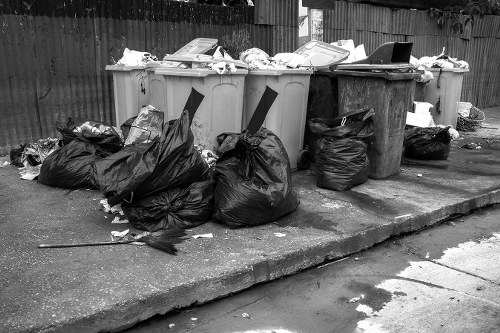
Garden clearance is not only about leaves and branches. Outdoor spaces often contain a mixture of soft waste and bulky household-like items that no longer belong in the garden. We regularly clear hedge trimmings, grass cuttings, prunings, weeds, small roots, plant pots, trays, bags of soil, compost sacks, broken trellis, lightweight timber, old canes, faded garden ornaments and general clutter from sheds or patios linked to the garden. The work is handled as a practical removal job, not as a one-size-fits-all tidy-up.
When there are larger or heavier items, such as sections of fencing, dismantled sleepers or awkward garden fixtures, the best approach is to remove them safely without disturbing surrounding features more than necessary. If something is still fixed in place, it may need to be lifted or detached before it can be cleared, and that can affect the scope. It is always better to describe the item clearly rather than assume it will fit within a general garden waste load.
For customers comparing options, it can help to think in terms of categories. Green waste is the material most people expect to see cleared, but a garden may also contain wood, metal, plastics and mixed debris. The more mixed the pile, the more important it becomes to separate what can be diverted for recycling from what must be taken as general waste. That is one reason clear description at the quotation stage is useful.
How clearance is planned for different garden layouts
Not every garden presents the same access or working space. A front garden reached directly from the street, a rear courtyard behind a terrace and a shared outdoor area all call for different handling. We plan the clearance around the layout that is actually in place, taking into account doors, side access, steps, narrow paths and any areas that need to stay undisturbed. The job is easier when the route from garden to vehicle is understood before loading begins.
Where the space is compact, the work may need to be moved in stages so the garden remains usable while clearance is under way. In more open gardens, items may be gathered into a single loading point to reduce handling. Either way, the objective is to remove the material efficiently while respecting paths, borders and permanent features. That is especially helpful when the garden includes planting you want to keep, or when there are delicate surfaces close to the work area.
Useful information for a quotation usually includes the type of waste, how much there is and whether there are any barriers to access. A short description can be enough if the load is simple, but mixed or bulky material may benefit from a fuller explanation. You do not need to write a long inventory; just the details that affect the work. Accurate scope tends to produce a more reliable price and a clearer plan for the day.
Garden clearance and seasonal maintenance
Many people arrange garden clearance as part of routine seasonal maintenance. After autumn leaf fall, winter pruning or early-spring cutbacks, outdoor spaces often need more than a quick sweep. Our service can remove the waste left behind after maintenance so borders, lawns, beds and paths are easier to manage. This is useful when the gardener or homeowner has already done the cutting back and simply wants the debris moved out of the way.
Seasonal clearances are often best handled before the waste becomes compacted or damp. Piles of leaves and stems can spread, mat together or become awkward to carry if they are left too long. Clearing them promptly can make later gardening tasks easier, especially when you are preparing for planting, edging or lawn care. The work can also support a more disciplined maintenance routine by removing the debris that would otherwise slow the next job.
If you are deciding whether to book a clearance or wait until the garden has been worked on further, it helps to think about sequence. In some cases, it makes sense to cut back first and clear afterwards; in others, a partial clearance is the best first step because it exposes what still needs attention. Either way, the service should fit the condition of the garden rather than forcing a fixed routine onto every property.
Recycling, sorting and responsible disposal

Garden clearance often produces a mix of materials that need to be handled differently. Green waste, wood, plastics, metals and general rubbish do not all follow the same route, so we sort the load where practical and direct it to the appropriate next step. That approach helps reduce avoidable disposal and keeps the process more orderly. It also means the clearance is not just about removal, but about handling each item in a sensible way after it leaves the garden.
Some material can be taken for recycling, while other items need disposal as non-recyclable waste. Soil, turf and heavy spoil may also need separate consideration depending on quantity and condition. For the customer, the important point is that a mixed garden load does not have to become a confusing problem. Once the main categories are clear, the rest of the process can be managed in a straightforward manner without turning the garden into a sorting yard.
We work with practical disposal choices rather than adding unnecessary handling. If the pile contains reusable outdoor items alongside waste, that may affect how it is split and moved. When you request a quotation, it is useful to mention whether the material is mainly green waste or a broader mixture. That single distinction often helps us judge the likely disposal route and the overall shape of the job.
Preparing for a quotation
A quotation is easier to build when the basic details are clear. The most useful points are the type of garden waste, the approximate volume, whether there are heavy items and how easy it is to reach the material. A photo can be helpful, but it is not the only way to explain the job; a written description works too if the clearance is straightforward. The goal is simply to provide enough information to match the work to the right level of effort.
If the garden contains a few different piles, it can help to mention them separately rather than compressing everything into one line. For example, cuttings, timber and old plant containers may need different handling. Where access is limited, a note about gates, steps or parking constraints can be more valuable than a long list of items. The clearer the outline, the easier it is to quote for the work without guessing at what is involved.
When you are ready, request a quotation with the details that best describe the garden as it is now. If you prefer, start with a brief summary and add more information once the scope has been confirmed. That keeps the enquiry simple and avoids unnecessary back-and-forth before the clearance is arranged.
Why Parsons Green properties often need flexible clearance

Parsons Green is an area in Fulham, in the London Borough of Hammersmith and Fulham, centred on a leafy triangular green from which it takes its name. The district sits close to the Thames, with parts of nearby Fulham Broadway and the surrounding streets reflecting the long development of west London from rural land into a dense residential quarter. The place name itself appears in historical records from the medieval period, and the green remains the focal point of the neighbourhood even as the surrounding streets have changed over time.
The area is known for a mixture of housing types rather than one uniform streetscape. There are terraced houses, mansion blocks, converted buildings and later infill development, with a strong pattern of residential use around local shops and transport links. Parsons Green Underground station gives the district an important connection to the rest of the city, while the broader Fulham area includes a network of local roads and smaller open spaces that give the neighbourhood its distinctive urban character.
Architecturally, the district combines late nineteenth- and early twentieth-century development with later additions, so the streets can feel both established and practical. Parsons Green itself has long served as a communal open space, and the wider Fulham setting includes historic churches, townscape landmarks and riverside proximity beyond the immediate local streets. That blend of open greenery, compact housing and steady change has made the district an enduring part of west London’s residential geography.
Garden waste, bulky items and site conditions
Some clearances are mainly about organic waste, while others involve a mixture of garden items that have become bulky or awkward. The service can include removal of old edging, broken supports, damaged containers, loose timber and other non-hazardous objects that have been left outdoors. If the garden has been used for storage as well as planting, it may be best to view the job as a broader outdoor clearance rather than a simple green-waste pickup.
Site conditions can also influence the amount of manual handling needed. Slopes, steps, uneven paving and wet ground all make access more demanding, especially when the waste includes heavy spoil or larger pieces that cannot be lifted in one movement. In these cases, the clearance still aims for the same result, but the work is planned more carefully so that the garden and surrounding surfaces are not put under avoidable strain.
It is often helpful to separate the material into what is definitely going and what might stay for reuse or future landscaping. That decision can save time on site and prevent confusion when the clearance begins. If something is valuable, fragile or intended for another project, keep it out of the waste pile so it does not need to be sorted back out later.
Choosing the right scope for the job
Not every enquiry needs a full garden tidy from top to bottom. Sometimes the practical job is to remove a single troublesome pile; other times the better solution is a wider clearance that resets the whole outdoor area. The right scope depends on how the garden is being used, what needs to remain in place and whether the material is concentrated in one area or spread across the site. Being clear on that point helps avoid over- or under-specifying the work.
For some properties, a partial clearance is enough to make a major difference. For others, the better choice is to include all the waste from pruning, weeding and old outdoor clutter in one visit so the area can be brought back to a manageable state. If you are unsure which approach fits best, describe the condition of the garden and the main items you want removed. A balanced quotation should reflect the actual task rather than a generic package.
That is also why it can be useful to think about timing. If more cutting, lifting or sorting is still planned, it may be worth waiting until the waste pile represents the full job. On the other hand, if the garden is already ready for removal, there is no reason to delay. The service is there to match the stage you have reached, not to impose a fixed order of work.
Getting the garden ready for the next stage

Garden clearance often marks the point where a project moves from problem-solving to improvement. Once waste and unwanted items have been removed, it becomes easier to see the structure of the space and decide what comes next. That might mean new planting, a fresh layout, simple maintenance or a more substantial redesign. Clearing the area first gives those decisions more room to be made properly, without having to work around old material.
A well-handled clearance can also reduce the amount of repeated lifting or shifting later on. If loose waste, broken pieces and unused outdoor items are removed in one organised step, the garden is easier to inspect and maintain afterwards. This is particularly helpful where paths, beds and storage areas overlap, because it restores a clearer distinction between what is part of the garden and what is just taking up space.
If you would like to move ahead, contact us to discuss the garden and request a quotation. We can talk through the waste, the access and the kind of clearance that suits the property best, then arrange the next step in a way that keeps the process simple.